.IconGreen3-432b491f75f1e18cc95cdf91c084a40eb4bb42833e60b5a016c762d95a1478eb.png)
.Untitleddesign5-aea9bfa8a4fddb8a4e4c2b594b2026ed85e8b8194454b230363ce7f92f207582.png)
Cross country skiing is one of those sports that looks effortless until you try it with the wrong gear. Unlike resort skiing where gravity does the work, nordic skiing requires the right fit for efficient forward motion. The difference between a frustrating slog and a smooth glide often comes down to whether your skis, boots, and poles actually fit your body and match your skill level.
Renting makes it easy to get properly outfitted without the upfront investment—and without storing gear in your already-cramped Seattle apartment. This guide covers what's included in a rental kit, how pricing works, the difference between classic and skate setups, and what to expect during your fitting.
What's Included in a Cross Country Ski Rental
Cross country ski rentals typically run between $30 and $60 per day, with most shops offering complete kits rather than individual pieces. A standard rental includes skis, boots, bindings, and poles—everything you need to get on the trail without hunting down separate components.
The beauty of renting as a kit? Someone else has already figured out which boots clip into which bindings. You show up, get fitted, and go. No compatibility headaches, no guessing.
Nordic Skis
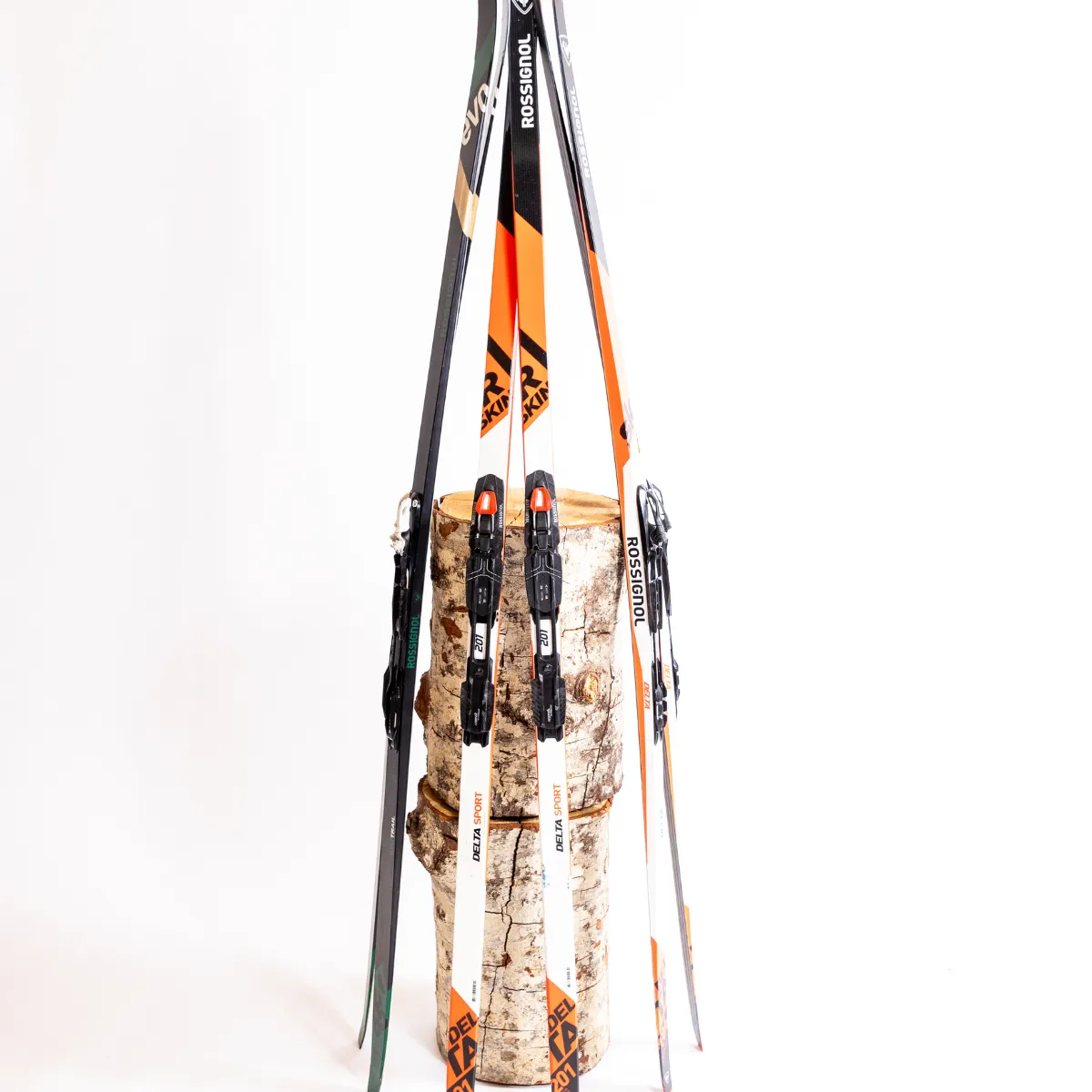
Skis get sized to your height and weight during the fitting process. Classic skis run longer than skate skis, and the rental staff will pull the right length based on what style you're skiing.
Not sure which style fits your plans? We'll break that down in a bit.
Boots and Bindings
Bindings connect your boot to the ski, but here's what makes cross country different from downhill: your heel lifts with each stride. That free heel is what creates the gliding motion that defines nordic skiing.
Rental shops pair bindings and boots together, so compatibility is handled before you walk out the door.
Poles
Poles help with balance and push you forward. Classic poles typically reach your armpit; skate poles come up closer to your chin. The difference matters for technique, and rental staff will size them based on which style you're skiing.
How Much Cross Country Ski Rentals Cost
Pricing depends on how long you're keeping the gear and what tier of equipment you're renting. Here's a general sense of what to expect:
| Rental Period | Typical Price Range |
|---|---|
| Half-Day | $20–$30 |
| Full-Day | $25–$50 |
| Weekend (2–3 days) | $45–$90 |
| Weekly | $80–$150 |
Half-Day Rentals
Half-day works well if you're testing the waters or squeezing in a quick session. Most shops define this as four to five hours, though it varies.
Low commitment, low cost. A good way to find out if nordic skiing clicks for you.
Full-Day Rentals
Full-day gives you time for a proper trail session without watching the clock. This is the standard choice for day trips to groomed trail systems like Snoqualmie or Stevens Pass.
Multi-Day and Weekend Rentals
Longer rentals often come with per-day discounts, which makes them a better deal for weekend getaways. Gearhouse offers flexible rental windows—text us at 206-466-0575 if you want a custom pickup and return schedule.
Classic vs. Skate Ski Rentals
Two main styles of cross country skiing exist, and they require different gear. Knowing the difference helps you rent the right setup for where you're headed and what you want out of the day.
Classic Cross Country Skis
Classic skiing uses a kick-and-glide motion in parallel groomed tracks. You push off with one ski while the other glides forward, alternating in a rhythm that feels like an extension of walking.
This is the traditional style. The technique is intuitive, and those groomed tracks guide your skis so you can focus on the scenery instead of your feet.
Skate Skis
Skate skiing uses a V-stride motion on packed, groomed snow—think ice skating, but on skis. It's faster, more athletic, and requires better balance than classic.
Skate skis are shorter and lack the grip zone found on classic skis. The learning curve is steeper, but some people with skating or hockey backgrounds pick it up quickly.
Which Style to Rent First
If you've never cross country skied, classic is usually the easier starting point. The motion feels natural, and you can enjoy the trail without fighting your technique the whole time.
That said, your background matters. Gearhouse staff can help you decide based on your experience and where you're planning to ski—just ask when you pick up.
How to Size Cross Country Skis
Ski length affects how the ski performs under your weight. Too short and you'll sink into the snow on each stride. Too long and the ski becomes awkward to maneuver.
Rental staff handle sizing during your fitting, but understanding the basics helps you know what to expect.
| Ski Type | General Sizing Guideline |
|---|---|
| Classic | Add 20–30 cm to your height |
| Skate | Add 5–15 cm to your height |
Ski Length by Height and Ability
Height provides the starting point, but weight and skill level factor in too. Heavier skiers or beginners often size up slightly for better stability. Lighter or more advanced skiers might size down for quicker handling.
Classic Ski Sizing
Classic skis are the longest of the bunch. A common fitting method: stand with your arm raised straight up, and the ski tip reaches somewhere between your wrist and palm.
The extra length provides a larger glide zone and better kick when you push off.
Skate Ski Sizing
Skate skis run shorter to allow for that lateral V-stride motion. A general guideline puts the ski tip between your chin and nose when you're standing flat.
Shorter length makes it easier to transfer weight quickly from ski to ski.
How to Fit Cross Country Ski Boots
Boot fit matters more than most people expect. A sloppy fit means less control over your skis. Too tight, and you're looking at cold toes and blisters before you hit the halfway point.
Boot Sizing Tips
When trying on boots, wear the socks you'll actually ski in—typically a thin to medium-weight wool or synthetic blend.
- Heel lock: Your heel stays planted when you flex forward
- Toe room: A finger's width of space at the front prevents cramping
- Flex comfort: The boot bends naturally at the ball of your foot
Signs of a Proper Fit
A well-fitted boot feels snug but not tight. You can wiggle your toes, your heel stays put, and nothing pinches across the top of your foot.
If something feels off during your fitting, say so. Gearhouse provides expert fitting with every rental—we'd rather swap sizes than send you out uncomfortable.
What to Wear Cross Country Skiing
Nordic skiing generates a lot of body heat. You'll warm up fast once you start moving, so dressing too heavily is one of the most common mistakes beginners make.
Layering lets you adjust as conditions and effort levels change throughout the day.
Base Layers
Start with a moisture-wicking layer against your skin. Merino wool or synthetic materials pull sweat away and dry quickly.
Avoid cotton. It holds moisture and will leave you cold the moment you stop moving.
Mid Layers
A lightweight fleece or softshell provides insulation while still breathing. You want warmth without bulk that restricts your arm swing.
On warmer days, you might skip this layer entirely once you're moving.
Outer Layers and Accessories
A wind-resistant shell protects against gusts without trapping too much heat. Many nordic skiers wear fitted jackets designed for aerobic activity rather than puffy insulation.
The essentials:
- Gloves: Lightweight and breathable—your hands warm up fast
- Hat or headband: Covers your ears without overheating
- Neck gaiter: Useful for wind protection, easy to pull down when you're working hard
- Fanny pack: Keeps snacks, wax, and essentials accessible without a full backpack
Cross Country Ski Lessons for Beginners
A few hours of instruction can save you from developing habits that are harder to unlearn later. Lessons accelerate the learning curve and help you actually enjoy the sport instead of just surviving it.
Browse our calendar for upcoming clinics and skill-building sessions.
Group Clinics
Group lessons are an affordable way to learn the basics alongside others at your level. The social aspect makes the experience more fun, and you'll pick up tips from watching fellow beginners work through the same challenges.
Gearhouse runs intro clinics throughout the winter season, including skate skiing workshops for those ready to try something new.
Private Instruction
One-on-one coaching provides personalized feedback and faster progression. This option works well if you have specific goals or prefer focused attention over group dynamics.
Private lessons can also be scheduled around your availability rather than fixed clinic times.
Where to Cross Country Ski Near Seattle
The Pacific Northwest offers excellent nordic skiing within a reasonable drive from the city.
- Snoqualmie Pass Nordic Center: Groomed trails for classic and skate, about an hour from Seattle
- Methow Valley: One of the largest groomed trail systems in North America, roughly four hours east
- Mount Rainier National Park: Ungroomed backcountry touring with stunning scenery
- Stevens Pass Nordic Center: Groomed trails with both classic and skate tracks
Gearhouse members can take advantage of Summit Express shuttle options to Snoqualmie—no driving or parking hassles.
Renting vs. Buying Cross Country Skis
The rent-or-buy question comes down to how often you'll ski and whether you've settled on a style you love.
| Factor | Renting | Buying |
|---|---|---|
| Upfront cost | Low | High ($300–$800+ for a quality setup) |
| Storage | None | Requires space for skis, boots, poles |
| Variety | Try different styles each time | Locked into one setup |
| Maintenance | Handled by the shop | Your responsibility |
| Best for | Beginners, occasional skiers | Frequent skiers, committed enthusiasts |
Renting makes sense while you're still exploring, especially as 5.32 million Americans participated in cross-country skiing in 2023, many trying the sport for the first time. You can try classic one weekend and skate the next without committing to either. Once you know what you like and you're skiing regularly, buying your own setup starts to pay off.
Gear Up and Go
Cross country skiing is one of the most accessible winter sports—low impact, burns 640-850 calories per hour, and no lift ticket required. The right rental setup and a proper fitting make all the difference in how much you enjoy your first few outings.
Browse our Classic Cross-Country Ski Rentals or text us at 206-466-0575 to reserve your kit.
FAQs About Cross Country Ski Rentals
What happens if I damage rented cross country ski equipment?
Normal wear from regular use is expected and typically covered. Significant damage may incur repair or replacement fees—check with your rental shop about their specific policy before heading out.
Can I extend my cross country ski rental period?
Most shops accommodate extensions when gear is available. Text us at 206-466-0575 for quick responses on extending your rental window.
Do I need a reservation to rent cross country skis?
Walk-ins are often possible, but booking ahead speeds up the process and guarantees your size and preferred equipment—especially important during peak weekends and holiday periods. We always adjust the size based on your fit at pickup even when you've booked ahead!
Can I rent cross country ski gear and take a lesson the same day?
Absolutely. Combining a rental with a lesson is common and encouraged. Gearhouse bundles gear with clinics so you can learn on properly fitted equipment.
Are there membership discounts for cross country ski rentals?
Gearhouse membership tiers include rental discounts and other perks. Learn about membership options to see which tier fits your adventure style.