.IconGreen3-432b491f75f1e18cc95cdf91c084a40eb4bb42833e60b5a016c762d95a1478eb.png)
.Untitleddesign5-aea9bfa8a4fddb8a4e4c2b594b2026ed85e8b8194454b230363ce7f92f207582.png)
Rent Backcountry Ski Gear
Backcountry skiing means earning your turns—climbing uphill on your own power, then skiing down ungroomed terrain far from lifts and groomed runs. It's a different experience than resort skiing, and it requires different gear.
Renting that gear is the smartest way to get started. You'll avoid dropping thousands on equipment you're still figuring out, and you'll have the chance to test different setups before committing. This guide covers what's included in a backcountry ski rental package, what it costs, and how to get outfitted in Seattle.
What's Included in a Backcountry Ski Rental Package
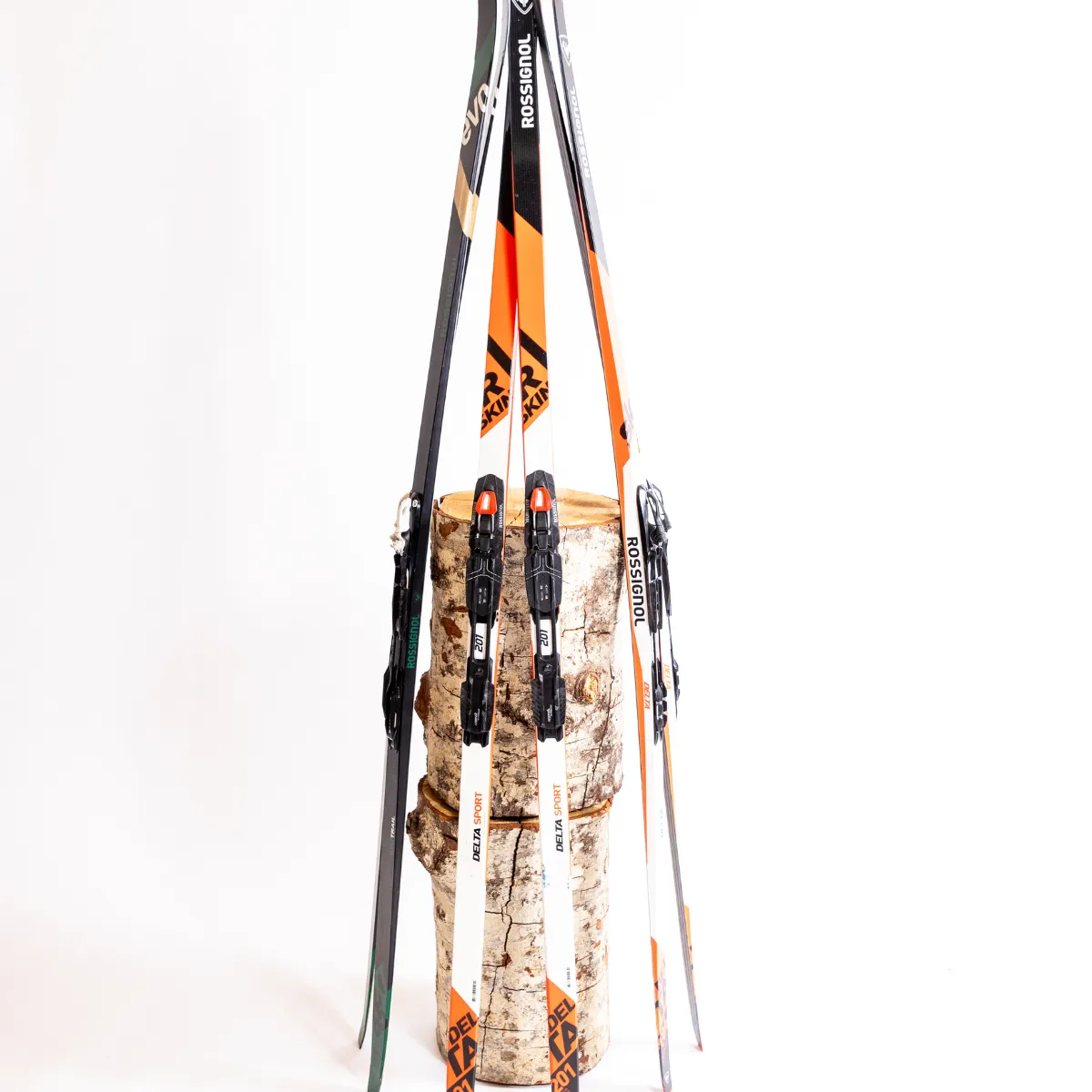
A backcountry ski rental package typically includes touring skis with AT bindings, touring boots, climbing skins, and adjustable poles. This setup differs from resort gear because you're not riding a lift—you're climbing uphill under your own power, then skiing down ungroomed terrain. The gear is built for both parts of that equation.
- Touring Skis with AT Bindings: Lighter than resort skis, which matters when you're climbing for an hour or more. The AT (alpine touring) bindings have a heel that releases for walking uphill and locks down for skiing.
- Touring Boots: A hybrid between hiking boots and ski boots. "Walk mode" gives your ankle flexibility on the climb. "Ski mode" stiffens the cuff for control on the descent.
- Climbing Skins: Fabric strips with directional fibers that stick to the base of your skis. They grip snow going uphill but glide forward. At the top, you peel them off and stash them in your pack.
- Adjustable Poles: Collapsible poles that shorten for climbing and extend for skiing. Small detail, big difference in comfort.
Some experienced skiers own their own skis and bindings but want to rent boots for a specific trip. Boots-only rentals exist for exactly this reason. Looking for something specific or a custom setup? Text us at 206-466-0575.
How Much Does It Cost to Rent Backcountry Skis
Renting costs a fraction of buying. A full touring setup—skis, bindings, boots, skins, poles—can run several thousand dollars. Rental pricing depends on how long you're keeping the gear and what tier you choose.
| Rental Duration | What It's Good For |
|---|---|
| Daily | Single tours, first-timers testing the waters |
| Multi-Day | Weekend trips, back-to-back tour days |
| Weekly | Longer vacations, hut trips |
| Season-Long | Frequent tourers who want the same setup all winter |
Daily Rental Rates
Daily rentals work well for a single tour or a first-time experiment. Expect to pay somewhere in the $100–$200 range for a complete package, though pricing varies by shop and gear quality. It's enough to find out if backcountry skiing is your thing without a major investment.
Multi-Day and Weekly Pricing
Longer trips usually come with better per-day rates. If you're heading out for a weekend or planning a week-long ski vacation, multi-day pricing makes the math work in your favor. Most shops discount automatically when you extend your rental window.
Avalanche Safety Gear Rentals
Backcountry skiing means traveling through avalanche terrain. Rescue gear isn't optional—it's part of the deal. If you're new to this, avalanche safety gear refers to a specific set of tools designed to locate and dig out a buried partner.
- Beacon (Transceiver): A device that sends and receives radio signals. Everyone in your group wears one. If someone gets buried, the others switch to "search mode" to home in on the signal.
- Probe: A collapsible pole, usually 2–3 meters long, used to pinpoint exactly where someone is under the snow once you've narrowed down the search area.
- Shovel: For digging. Avalanche debris sets up like concrete. A buried person can be under several feet of snow, and speed matters enormously.
These three items—beacon, shovel, probe—make up the standard "avy rescue kit." Most rental shops offer them as a package. But here's the thing: owning the gear is only half the equation. Knowing how to use it is the other half. Taking an avalanche safety course is how you learn to actually perform a rescue. We offer intro clinics at Gearhouse for exactly this reason.
Airbag Avalanche Packs are another option for those venturing into more serious terrain. These backpacks contain an airbag that inflates when you pull a cord, helping keep you near the surface during a slide. They're typically considered premium rentals and are most common among skiers pushing into steeper, more consequential zones.
How to Rent Backcountry Ski Gear in Seattle
Renting from Gearhouse is straightforward. Here's how the process works for local pickup at our Capitol Hill location.
1. Select Your Rental Period Online
Head to rental.joingearhouse.com and choose your trip dates. You'll see real-time availability and pricing, which makes it easier to plan around your schedule and the gear you want.
2. Choose Your Backcountry Ski Package
Select what you're looking for—a full touring ski kit, a splitboard package, avalanche safety gear, or some combination. Add-ons like poles or crampons are available if you want to round out your setup.
3. Pick Up Gear at Gearhouse Capitol Hill
Come to our Capitol Hill location to grab your gear. (It's also a coffee shop, so you can fuel up while you're there.) Our staff will walk you through everything—how the bindings work, how to apply skins, what to check before you head out. The goal is for you to leave feeling confident, not confused.
Questions about availability or looking for something specific? Text us at 206-466-0575.
Splitboard Rentals for Backcountry Snowboarders
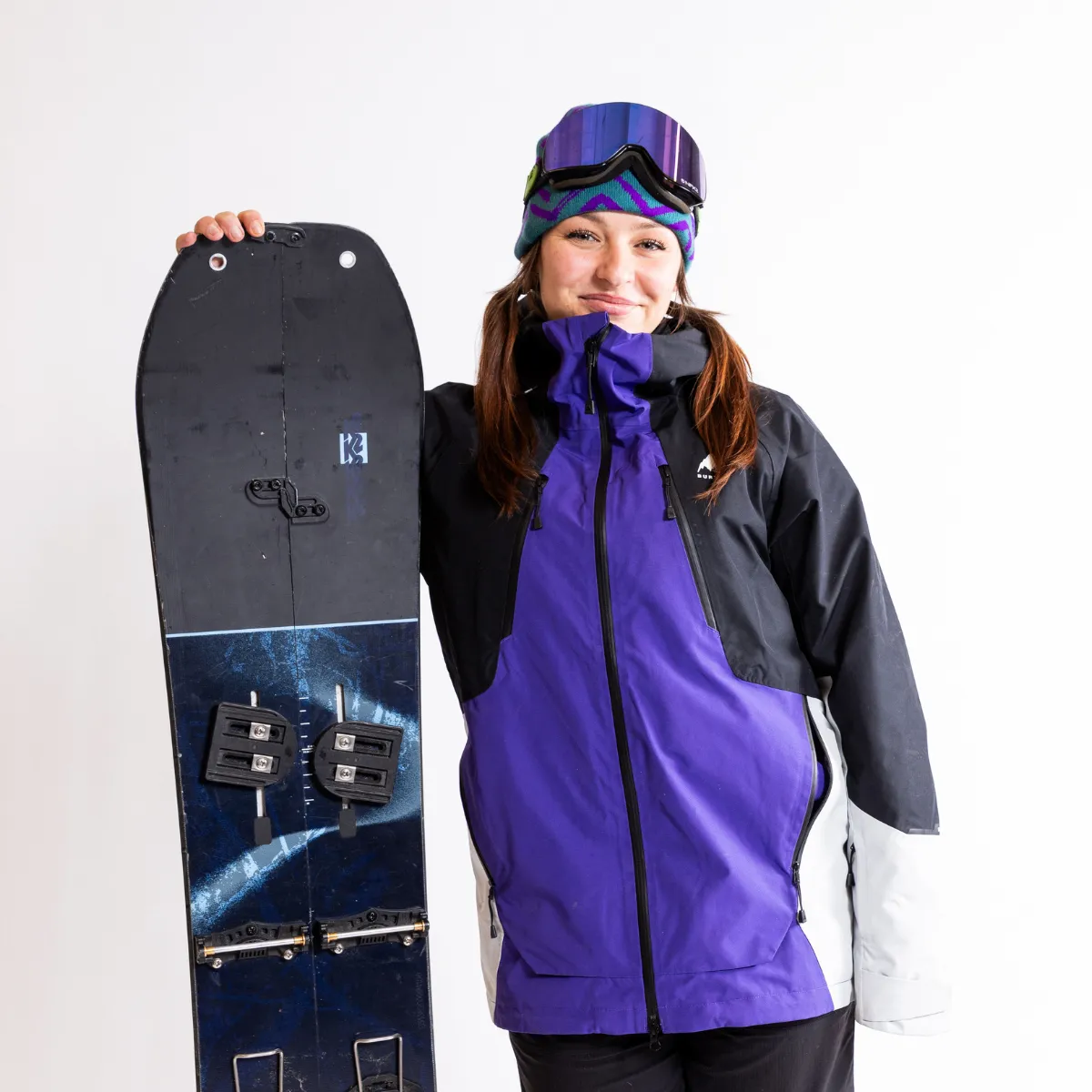
Snowboarders who want backcountry access have a solid option: the splitboard. It's a snowboard that separates into two ski-like halves for climbing uphill, using skins just like touring skis. At the top, you reconnect the halves to form a solid snowboard for the ride down.
The appeal is obvious—you get to skin up with your skiing friends and still ride down on a board. Gearhouse splitboard rental packages include the board, bindings, climbing skins, and collapsible poles. It's a complete setup for snowboarders who want to explore beyond the resort without learning an entirely new sport.
Rent or Buy Backcountry Ski Equipment
The rent-versus-buy question depends on how often you'll tour, your budget, and whether you have storage space. Neither answer is wrong—it's about where you are in your backcountry journey.
| Factor | Renting | Buying |
|---|---|---|
| Upfront Cost | Low | High |
| Storage | None required | Requires space for skis, boots, poles, etc. |
| Trying Setups | Easy to test different brands and styles | Committed to one setup |
| Maintenance | Handled by the rental shop | Your responsibility |
| Best For | Beginners, occasional tourers, gear testing | Frequent, dedicated backcountry skiers |
Renting makes sense if you're still figuring out what you like, or if you only tour a handful of times per season. Buying makes more sense once you've developed specific preferences and plan to be out regularly. Many people rent for a season or two, dial in what works for them, then invest in their own setup.
Backcountry Ski Rentals in Other Cities
While this guide focuses on Seattle, plenty of you are searching from other regions. In the Northeast, shops like White Mountain Ski Co. can get you outfitted. For those in the Pacific Northwest, Gearhouse in Seattle offers full backcountry touring packages with convenient local pickup.
Regardless of where you're located, here's what to look for in a quality rental shop:
- A selection of modern, well-maintained gear
- Staff who can help with sizing and explain how everything works
- Availability of avalanche safety gear (beacon, shovel, probe)
- A clear online reservation system that shows real-time availability
The best shops treat first-timers like they belong—because they do.
Gear Up for Backcountry Adventures with Gearhouse
Gearhouse is a one-stop shop for backcountry rental gear: touring skis, splitboards, avalanche safety equipment, and the guidance to use it all confidently. For those wanting extra support, we offer intro-to-backcountry classes and provide discounts for members.
Ready to explore? Browse our backcountry touring gear or become a member today.
FAQs About Backcountry Ski Rentals
What skill level do I need to rent backcountry ski gear?
Most shops rent to anyone comfortable on intermediate (blue square) resort terrain. That said, backcountry skiing adds significant fitness demands and requires avalanche awareness. Taking an introductory clinic before your first tour is a smart move—it's less about gatekeeping and more about making sure you have a good time out there.
Do backcountry ski rental shops provide instruction on AT bindings and skins?
Many shops offer a quick walkthrough when you pick up your gear. At Gearhouse, our staff explains exactly how to use your rental equipment—from switching binding modes to applying skins. For more hands-on, in-the-field learning, we also offer intro-to-backcountry classes.
What happens if I damage rented backcountry ski equipment?
Policies vary by shop. Most charge for damage beyond normal wear and tear—rock strikes, broken bindings, that kind of thing. It's worth asking about damage waivers or equipment protection plans when you book, especially if you're heading into rocky early-season conditions.
Can I extend my backcountry ski rental if my trip runs longer than expected?
Most shops are flexible about extensions with advance notice. To adjust your rental dates with Gearhouse, text us at 206-466-0575 and we'll work it out.
Is it cheaper to rent backcountry skis or buy used touring gear?
Renting costs less upfront and gives you the chance to try different setups before committing. Buying used can be a good long-term investment, but it makes the most sense once you have enough experience to know exactly what gear fits your skiing style and preferred terrain. Most people benefit from a season or two of renting before they buy.