.IconGreen3-432b491f75f1e18cc95cdf91c084a40eb4bb42833e60b5a016c762d95a1478eb.png)
.Untitleddesign5-aea9bfa8a4fddb8a4e4c2b594b2026ed85e8b8194454b230363ce7f92f207582.png)
Splitboard Rental Packages: Pricing, Gear, and Seattle Pickup
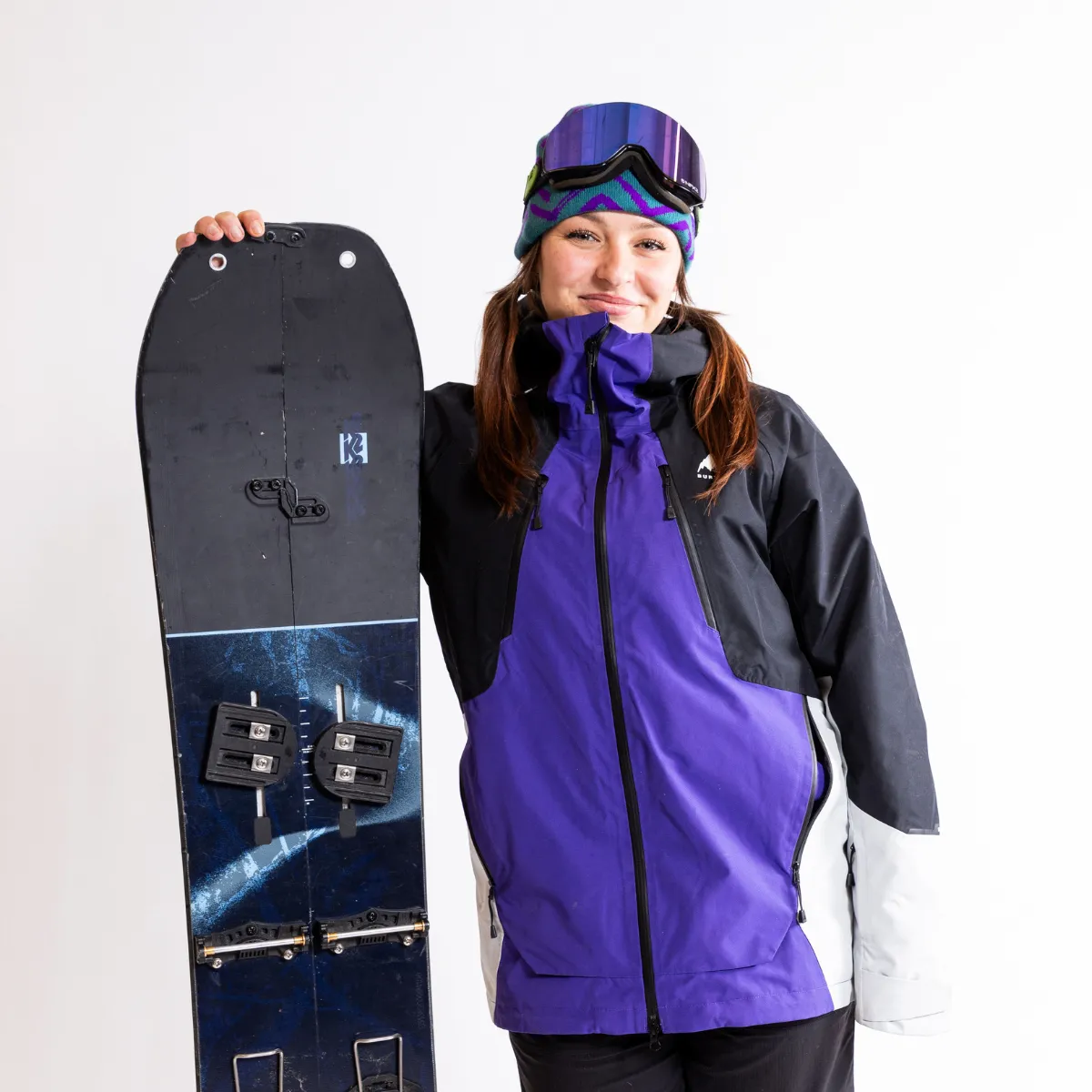
Splitboarding lets snowboarders access the same backcountry terrain that ski tourers have enjoyed for decades—without switching sports. The board splits into two ski-like halves for the uphill, then locks back together for the ride down.
Renting a splitboard setup removes the biggest barrier to trying it: the $1,500+ price tag of buying your own gear. This guide covers what's included in a rental package, how pricing works, and where to pick up gear in Seattle.
What's Included in a Splitboard Rental Package
Yes, you can rent splitboards. Most rental packages bundle the core gear you'll want for backcountry touring into a single reservation, so you're not hunting down pieces from five different places.
A splitboard is a snowboard that separates into two ski-like halves. You skin uphill with the halves apart, then lock them back together to ride down. It's how snowboarders access the same backcountry terrain that ski tourers have enjoyed for years.
A typical rental package includes:
- Splitboard with touring bindings: The board and bindings come matched and ready to go.
- Climbing skins: Grippy fabric strips that attach to the base for uphill traction.
- Telescoping poles: Collapsible poles for balance and power on the skin track.
- Optional crampons: Metal traction devices for icy or steep sections.
The idea is simple: you walk out the door with everything you'll want for a day in the backcountry, without spending thousands on gear you might use a handful of times.
Splitboard with Touring Bindings
The bindings on a splitboard work differently than resort bindings. They switch between two modes: tour mode, where your heel lifts freely so you can walk uphill, and ride mode, where everything locks down for a normal snowboard feel on the descent.
Most rental setups use systems like Spark R&D, which are lightweight and reliable across variable conditions. You won't have to worry about compatibility—the package arrives dialed in.
Climbing Skins
Climbing skins are fabric strips with a grippy texture on one side and adhesive on the other. You stick them to the base of each split half, and they grip the snow on the uphill while still letting you glide forward.
When you reach the top, you peel them off, stash them in your pack, and reassemble the board. Without skins, you're not going anywhere but downhill.
Telescoping Poles
Poles help with balance and power on the skin track, especially on steeper or longer approaches. Rental packages include collapsible poles that fold down small enough to strap to your pack during the descent.
If you're coming from resort snowboarding, poles might feel awkward at first. After your first long climb, though, you'll understand why everyone uses them.
Optional Crampons
Crampons are metal traction devices that clip onto your splitboard for icy or hard-packed sections where skins alone won't grip. On firm morning snow or steep bootpacks, they make a real difference.
Most rental shops offer crampons as an add-on. If you're planning mellow tours on soft snow, you can skip them. For anything steeper or icier, they're worth grabbing.
Who Rents a Splitboard
Renting makes sense in more situations than you might expect. The upfront cost of a splitboard setup—board, bindings, skins, poles—can easily run past $1,500. For a lot of riders, renting removes that barrier entirely.
First-Time Backcountry Snowboarders
If you've never toured before, renting lets you test the experience without a major financial commitment. You'll learn whether you enjoy the uphill grind, how your body handles the effort, and whether backcountry snowboarding fits your style—all before deciding to invest in your own setup.
There's no shame in discovering that skinning isn't your thing. Better to find out on a rental than after dropping serious money.
Travelers Without Gear
Visitors to the Pacific Northwest, or riders flying in for a trip, benefit from local pickup. You avoid the hassle of checking oversized gear, paying airline fees, and hoping nothing gets damaged in transit.
You land, pick up your gear, and head to the mountains. Simple.
Riders Testing Before Buying
Even experienced backcountry snowboarders rent when they want to try a different board shape, length, or brand. Renting a few different setups over a season helps you make a smarter purchase decision when you're ready to buy.
Think of it as a test drive. You wouldn't buy a car without driving it first.
Splitboard Rental Pricing and Rates
Rental pricing typically scales by duration—daily, weekend, multi-day, or season-long. Longer rental windows usually come with better per-day rates, so it pays to plan ahead if you're doing an extended trip.
| Rental Period | Best For |
|---|---|
| Daily | Single day tours close to home |
| Weekend | Friday-Sunday trips to the mountains |
| Multi-day | Week-long backcountry trips or travel |
| Season-long | Frequent tourers who want dedicated gear all winter |
Gearhouse members get discounts on all rental periods, which adds up quickly if you're touring regularly.
Daily and Weekend Rates
Daily rates work well for single outings when you want to test conditions or squeeze in a quick tour. Weekend rates often bundle Friday through Sunday, giving you flexibility without paying for three separate days.
If you're just dipping your toes into splitboarding, a weekend rental is usually the sweet spot.
Multi-Day and Weekly Rentals
For longer trips—say, a week in the Cascades or a road trip hitting multiple zones—multi-day rates offer meaningful savings. You're not paying full daily price for each day, and you have gear waiting whenever conditions align.
Season-Long Splitboard Rentals
Some riders prefer having dedicated gear all winter without the upfront purchase cost. Season-long rentals let you grab the same setup every weekend, skip the reservation process, and treat the board like your own.
If you're planning to tour more than a handful of times, the math often works out in your favor.
How to Choose the Right Splitboard Size
Sizing a splitboard isn't quite like sizing a resort snowboard. Your weight matters more than your height, and the terrain you're targeting affects the ideal length and shape.
Sizing by Weight and Riding Style
Heavier riders or those chasing deep powder typically size up for more float. Lighter riders or those prioritizing quick turns in tight trees often size down for agility.
If you're unsure, staff can help match you to the right board based on your weight, ability, and where you're planning to tour. Text us at 206-466-0575 if you want sizing guidance before you book.
Board Shape for Different Terrain
Directional boards have a pointed nose and perform well in powder and variable snow. Twin shapes are more symmetrical and handle switch riding better, which some riders prefer for playful terrain.
Most rental fleets lean toward directional or directional-twin shapes, which cover the widest range of backcountry conditions. Unless you have a specific preference, you'll likely be happy with whatever's available.
Add-On Rentals for Backcountry Snowboarding
The splitboard package gets you moving, but backcountry travel calls for additional safety gear. If you're venturing into avalanche terrain, the items below aren't optional extras—they're essential companions.
Avalanche Rescue Kit
An avalanche rescue kit includes three items: a beacon, a shovel, and a probe. The beacon transmits and receives signals to locate buried partners. The probe pinpoints exact depth. The shovel digs them out.
Carrying all three—and knowing how to use them—is non-negotiable in the backcountry. Gearhouse rents complete avy kits so you're not piecing together gear from different sources.
Airbag Touring Pack
Airbag packs contain an inflatable balloon that deploys during an avalanche, helping keep you closer to the surface. They're not a substitute for rescue gear or avalanche education, but they add another layer of protection in serious terrain.
Worth considering if you're touring in avalanche-prone zones.
Snowboard Boots
Most splitboard rental packages don't include boots—you'll want compatible snowboard boots with a touring-friendly sole. If you already own boots, bring them. If not, Gearhouse can help match you with a rental pair.
Not sure about boot availability or sizing? Text 206-466-0575 and we'll sort it out before your trip.
Pickup and Return in Seattle
For Seattle-area renters, local pickup eliminates shipping delays and lets you handle the gear before heading out. You'll know exactly what you're working with and have a chance to ask questions.
Capitol Hill Location and Hours
Gearhouse Coffee Shop in Capitol Hill serves as the pickup and dropoff spot for all rentals. You can grab your gear, get a coffee, and head to the mountains—or stop in after your tour to return everything and decompress.
The space doubles as a community hub, so you might catch an event, meet other tourers, or just enjoy a warm drink before the drive home.
Gear Walkthrough Before Your Trip
Staff walk you through the equipment before you leave: how skins attach and release, how bindings switch between tour and ride mode, how poles collapse and extend.
This walkthrough builds confidence, especially if you're new to splitboarding. You won't leave wondering how something works. And if questions come up in the field, you can always text us.
Save on Splitboard Rentals with Membership
Gearhouse members get discounts on rentals across all gear categories, including splitboard packages. Trail Club and Summit Club tiers offer deeper savings for frequent renters, plus access to guided trips, clinics, and community events.
If you're planning to tour more than a few times this season, membership often pays for itself quickly.
Get Outside with Gearhouse
Splitboarding opens up terrain that resort riders never see—untouched powder, quiet ridgelines, and the satisfaction of earning your turns. Renting removes the biggest barrier to trying it.
If you want guided learning alongside the gear, Gearhouse runs intro to backcountry classes that cover skinning technique, avalanche awareness, and route planning. You'll leave with skills, not just equipment.
FAQs about Splitboard Rentals
Do I need backcountry experience to rent a splitboard?
No prior experience is required to rent. However, backcountry travel calls for avalanche safety knowledge and navigation skills. Consider taking an intro course or traveling with experienced partners before heading into avalanche terrain alone.
Can I rent just the splitboard without boots?
Yes. Most packages include the board, bindings, skins, and poles but not boots. Bring your own compatible snowboard boots or rent boots separately.
How far in advance should I reserve a splitboard rental?
Reserve at least a few days ahead, especially for weekends and holidays when inventory is limited. Popular dates book up fast during peak season.
What gear should I bring that is not included in the rental?
Bring your own boots, helmet, goggles, layered clothing, food, and water. Avalanche safety gear (beacon, shovel, probe) is essential and available as a separate rental if you don't own it.
Are splitboard rentals available for an entire season?
Yes. Season-long rentals work well for riders who want dedicated gear all winter without the upfront cost of purchasing. You'll have the same setup waiting whenever you're ready to tour.